
How to Keep Your Entryway Clean Through Seattle's Rainy Season (When the Mud Never Stops)
From October through May, Seattle's rain turns every entryway into a mudroom battleground. Here's how Puget Sound homeowners can stay ahead of the mess before it grinds into grout and warps hardwood.
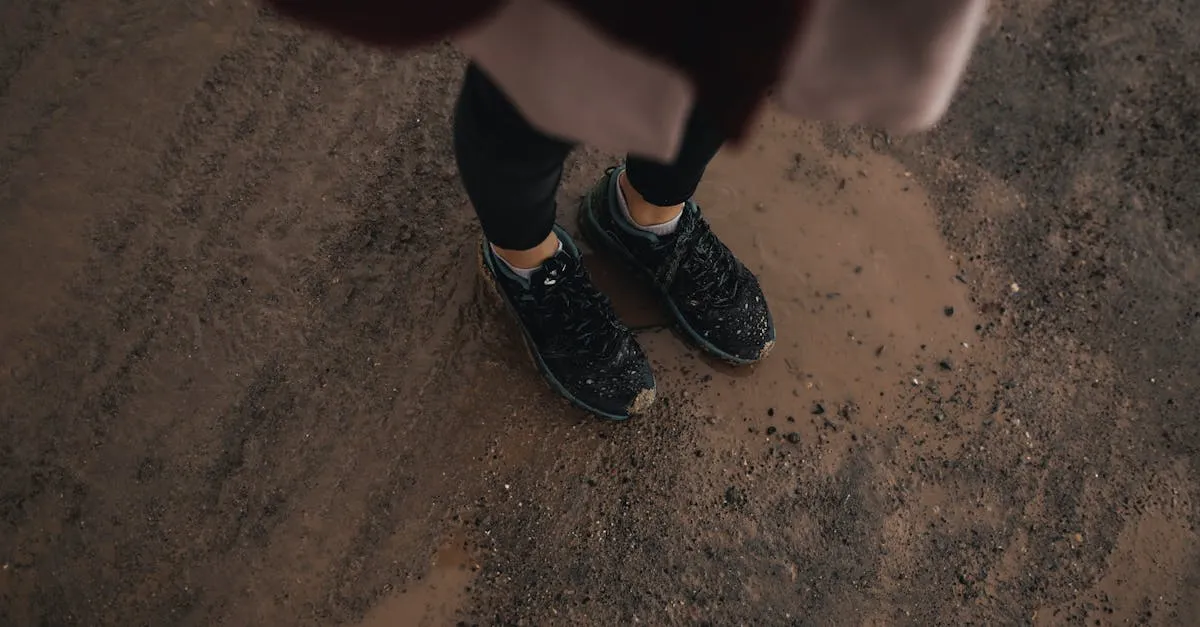
If you live in Ballard, Beacon Hill, Renton, or just about anywhere else in the greater Puget Sound, you already know what October means: the skies close up, the trails get slick, and every person who walks through your front door becomes a one-person mud-tracking machine. Seattle averages around 38 inches of rain a year, but that number is almost beside the point. What matters is that the rain here is relentless and low-grade, a constant drizzle that soaks into shoes, clings to dog paws, and turns your entry floors into a slow-motion disaster zone from fall straight through late spring.
This guide is written for Puget Sound homeowners specifically, because our housing stock, our climate, and our habits create a very particular set of entryway problems. A quick tip sheet written for Phoenix or Atlanta simply does not apply here.
Why Seattle Entryways Take a Harder Hit Than Most
A few things combine to make Puget Sound entryways uniquely punishing.
- The soil. Much of Seattle and the Eastside sits on a mix of clay-heavy glacial till and decomposed organic matter. When it rains, that soil does not drain quickly. It turns into a sticky, dark paste that bonds to shoe soles and boot treads and does not shake loose easily.
- The layout of older homes. A significant portion of the housing stock in neighborhoods like Wallingford, Columbia City, Fremont, and West Seattle was built between the 1920s and 1960s. Many of these homes were designed without true mudrooms. You walk in, and you are immediately on hardwood, tile, or carpet. There is no buffer zone.
- The trail and outdoor culture. Puget Sound residents hike Tiger Mountain, walk the Burke-Gilman, kayak Portage Bay, and walk dogs through Lincoln Park all winter long. Outdoor activity does not pause in November. That means more gear, more mud, and more foot traffic through the front door.
- Dogs. The Seattle metro consistently ranks among the most dog-friendly regions in the country. A muddy Golden Retriever coming in from a Magnuson Park run does not care about your grout lines.
The Real Damage: What Mud and Moisture Actually Do to Your Floors
It is tempting to think of a muddy entryway as just an eyesore. But the physical damage compounds over a season if it goes unaddressed.
Hardwood and Engineered Wood
Standing moisture is the enemy of any wood floor. When wet shoes pool water near the door, it seeps into seams and causes the boards to swell, cup, or darken. Grit carried in on shoe soles acts like sandpaper and scratches the finish layer with every pass. In older Craftsman homes and bungalows, original fir floors are especially vulnerable because the finish has often been worn thin over decades.
Tile and Grout
Tile itself is durable, but grout is porous. Mud that dries into grout lines stains it over time, and the repeated scrubbing required to remove it gradually degrades the grout surface. In homes with older subway tile entryways, this can mean expensive re-grouting down the road.
Carpet and Area Rugs
Moisture-laden mud that dries in carpet fibers is extremely difficult to remove with a standard vacuum. It breaks into fine particles that settle deep into the pile and, over time, contributes to odor and fiber breakdown. Entry rugs that stay damp too long can also develop mildew underneath, especially if your subfloor has limited airflow, which is common in older Seattle construction.
A Practical Entryway System for Puget Sound Homes
The homeowners who manage entryways best are not necessarily cleaning more often. They have built small habits and physical systems that reduce the problem before it starts.
The Right Mat Setup
One mat is not enough in a Pacific Northwest winter. The most effective setup is a two-mat system: a coarse-bristle scraper mat outside the door to knock off heavy debris, and a thicker absorbent mat inside to wick away moisture. Look for mats with a rubber or vinyl backing that will not slip on tile or hardwood. Avoid thin coir mats on covered porches because they hold moisture and can stay wet for days.
Replace or rotate mats regularly through the season. A saturated mat does more harm than good.
Shoe Storage and a No-Shoes Policy
A shoe bench or low rack positioned within two steps of the door makes a no-shoes policy actually functional. Without a designated spot, people leave shoes in the middle of the floor, the policy breaks down, and you are back to tracking mud through the house. IKEA and local stores like Hardwick's carry compact options that work well in the narrow entries common to Seattle rowhouses and older single-family homes.
A Hook for Wet Coats and Gear
Dripping rain jackets hung on hooks at the entry stay contained rather than being walked further into the house. A small hook rail near the door costs very little and keeps moisture localized where it is easiest to manage.
Daily Spot Cleaning
Keep a small spray bottle of diluted all-purpose cleaner and a dedicated entry rag or microfiber cloth within reach. A 30-second wipe-down after a muddy walk prevents grime from drying and bonding to the floor surface. This is especially important on hardwood, where dried mud becomes a scratching agent.
When the Entryway Needs More Than a Spot Clean
Even the most diligent homeowner gets behind. A couple of stormy weeks, a few muddy kids, one very enthusiastic dog, and suddenly the entry grout is stained, the mat smells damp, and there is a film of dried grit on the floor that a quick mop is not cutting through.
That is the moment for a professional deep clean. A deep cleaning from Neat N Tidy addresses the buildup that accumulates over weeks of wet weather, including scrubbing tile and grout lines, cleaning baseboards where mud splashes and dries, and getting floors back to a genuine baseline. It is especially useful at the start of rainy season in October and again in March or April when the worst of it is winding down.
Keeping It Manageable All Season Long
The most cost-effective strategy for Puget Sound homeowners is not to do a heroic deep clean every month. It is to maintain a clean baseline between professional visits. That is where a recurring cleaning schedule through Neat N Tidy makes practical sense. Recurring clients save 30 to 50 percent compared to one-time pricing, and the regular cadence means mud and grime never get a chance to compound into a major project.
A typical pattern for rainy season: start with a deep clean in late September or early October to set the baseline, then stay on a bi-weekly or monthly recurring schedule through spring. Your entry floors, grout, and baseboards stay manageable, and you are not facing a full-day scrubbing session every time the weather finally breaks.
Neighborhood-Specific Notes
A few observations for homeowners in specific parts of the Puget Sound region.
- Eastside suburbs (Bellevue, Kirkland, Redmond, Issaquah): Newer construction often includes a proper mudroom or at least a tiled entry alcove, which helps contain the problem. But the clay soils on the Eastside plateau are particularly sticky and track deeply. Coarse exterior mats are worth the investment.
- South King County (Kent, Auburn, Federal Way, Renton): Many homes here have ground-level entries that sit closer to landscaping and lawn. Grass clippings and leaf debris mix with mud through fall and create a different kind of mess than pure soil tracking.
- North Seattle and Shoreline: Older bungalows and split-levels often have short, narrow entry halls with original wood floors. These floors respond poorly to excess moisture and need the most careful daily attention.
- Tacoma and Gig Harbor: Proximity to the waterfront means salt air and higher humidity year-round. Entry floors here face moisture stress beyond just rain tracking, and grout in particular benefits from periodic professional cleaning.
A Quick Seasonal Checklist
- Set up your two-mat system before the first October rains hit.
- Install a shoe bench or rack if you do not already have one.
- Add hooks near the door for wet jackets and gear.
- Keep a cleaning cloth and spray bottle within reach of the entry.
- Book a deep clean at the start of rainy season to establish a clean baseline.
- Schedule recurring maintenance visits to stay ahead of buildup through winter and spring.
- Check mats monthly and replace or wash them when they become saturated or smell damp.
Seattle's rainy season is long, but your entryway does not have to show it. The right setup and the right cleaning cadence make a real difference in how your home looks, smells, and holds up through the wettest months of the year.
Frequently Asked Questions
Ready for a Cleaner Home?
Tell us about your home and we'll recommend the right service. Free quote in 60 seconds.
You're All Set!
We'll call you within 5 minutes.