
House Cleaning Tips for Seattle Pet Owners: Surviving Wet Dogs and Damp-Season Fur
Seattle's long wet season turns every dog walk into a muddy adventure and every couch into a fur magnet. Here's a practical cleaning playbook built for Puget Sound pet owners.
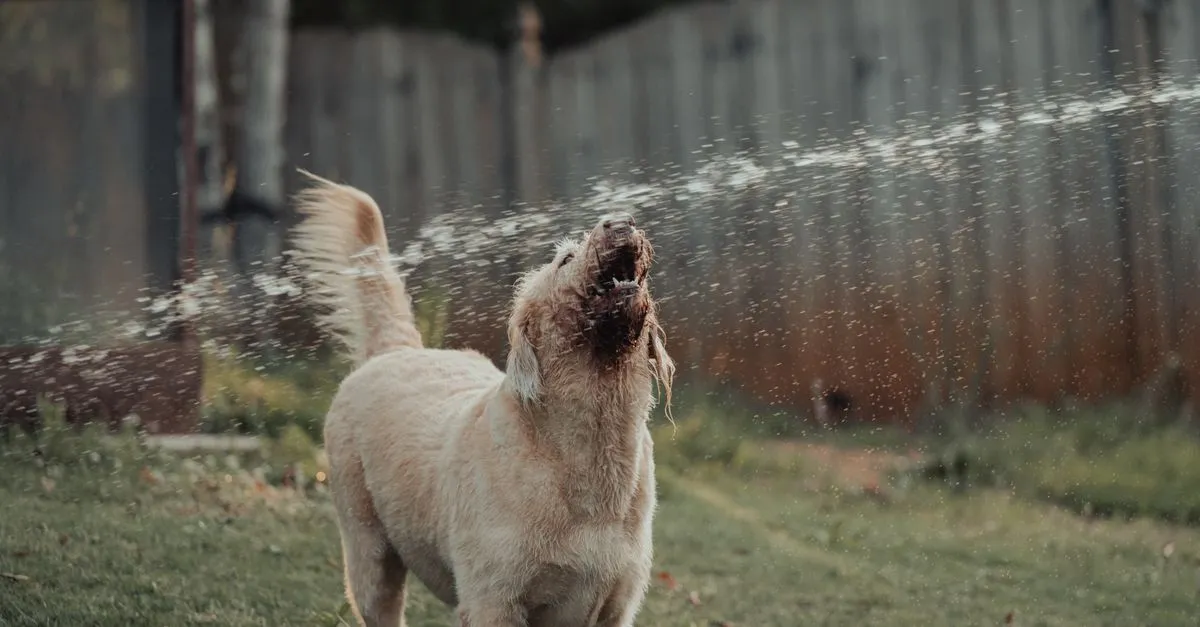
Why Seattle Is Uniquely Tough on Pet Owners (and Their Floors)
If you live in Ballard, Beacon Hill, or out in Redmond near the Sammamish River Trail, you already know the routine. Your dog bolts out the door, hits the wet grass, and comes back in looking like she rolled through a compost bin. From October through May, that scenario repeats daily. The greater Puget Sound does not have a real dry season, and your floors, rugs, and upholstery feel every bit of it.
Seattle homes add another wrinkle. Craftsman bungalows common in Columbia City and the Central District tend to have original fir floors that show muddy paw prints immediately. Newer construction in South Lake Union and the Eastside often has open-plan layouts where pet dander and fur drift freely across every surface. Whatever your housing stock, the damp climate amplifies every pet-related mess.
This guide is for you: the Puget Sound pet owner who loves their animals and also wants to live in a home that does not smell like a wet golden retriever.
Understanding the Damp-Season Fur Problem
Most dog and cat owners think shedding is a spring thing. In the Pacific Northwest, it is more of a year-round endurance sport. The lack of hard seasonal temperature swings means coats never fully cycle out on a predictable schedule. Add high humidity and you get fur that clumps together and sticks to upholstery, collects in corners, and embeds itself into area rugs.
Wet fur is also heavier than dry fur. When your dog shakes off after a walk on the Interurban Trail or a romp at Magnuson Park off-leash area, those damp clumps travel farther and stick to more surfaces than dry shed would. This is not a small distinction. It changes how and when you need to clean.
The Entry Zone: Your First Line of Defense
The single highest-return investment you can make as a Seattle pet owner is a dedicated entry routine. Here is what actually works.
- Keep a dedicated dog towel station by every exterior door. A small basket or hook with three to five microfiber towels costs almost nothing and eliminates a significant percentage of mud, moisture, and tracked-in debris before it reaches your floors.
- Use a rubber-backed mat rated for high moisture. Fabric-top, rubber-backed mats trap mud at the threshold rather than letting it spread. Machine-washable is non-negotiable in this climate.
- Wipe paws every single time, not just when it is obviously muddy. The Burke-Gilman Trail looks dry in the middle but the shoulders stay damp for days after rain. Invisible moisture carries fine silt and organic debris that dries into a gritty film on hardwood.
Floor Strategy by Surface Type
Original Hardwood and Fir Floors
Many older Seattle homes, particularly in neighborhoods like Madrona, Wallingford, and Georgetown, still have original softwood fir floors. These are beautiful and they are porous. Excess moisture from wet paws and damp fur can raise the grain over time. Dry-mop or vacuum daily during peak wet season using a soft-bristle attachment. Avoid wet mopping more than once a week and use a well-wrung mop, not a soaking one.
Tile and Concrete (Common in Eastside New Builds)
Easier to clean but grout lines trap fur and dander. A stiff grout brush and a vacuum with a hard-floor setting once a week keeps build-up from becoming a bigger problem.
Carpet and Area Rugs
This is where the damp-season fur problem is most acute. Wet fur mats into carpet fibers and is significantly harder to vacuum out than dry shed. Let the fur dry completely before vacuuming whenever possible. A vacuum with a motorized brush roll and a HEPA filter is the right tool. Run it in two directions, especially over high-traffic pet areas.
Tackling the Wet Dog Smell Before It Settles In
That distinctive wet dog odor comes from bacteria and yeast that live naturally on your dog's skin and coat. When the fur gets wet, those microorganisms become more active and volatile. In a Seattle home where windows stay closed from November through March, that smell concentrates fast.
- Ventilate aggressively after every rainy walk. Even cracking a window for ten to fifteen minutes helps exchange the moist, odor-laden air.
- Sprinkle baking soda on rugs and upholstery, let it sit for fifteen minutes, then vacuum. This is genuinely effective and costs almost nothing.
- Wash pet bedding weekly. This is the single largest source of persistent pet odor in most homes. Hot water, a second rinse cycle, and drying completely before returning it to your dog.
- Address upholstery proactively. A lint roller is a daily tool, not an occasional one. Keep one in every room your pet uses.
Furniture and Upholstery in a High-Humidity Climate
Seattle's humidity means fabrics retain moisture longer than they would in drier climates like Eastern Washington. Pet fur that lands on a damp couch in February embeds differently than it would on a dry sofa in July. A few habits help.
- Use washable furniture covers or slipcovers on your pet's favorite spots. Wash them every one to two weeks.
- A rubber glove or slightly damp sponge dragged across upholstery pulls up embedded fur more effectively than a vacuum nozzle alone.
- Run a dehumidifier in rooms where pets sleep to reduce ambient moisture and slow odor development.
When to Call In Professional Help
Even the most diligent pet owner reaches a point where accumulated dander, embedded fur, and odor go deeper than routine maintenance can address. This is especially true after a wet winter when months of damp paws and closed windows have built up a residue that simply does not vacuum out.
A professional deep cleaning resets that baseline. Neat N Tidy's vetted, insured cleaners work through the surfaces, baseboards, and details that accumulate pet debris over a full season. If you have never had a professional clean since getting your pet, or since a particularly brutal Puget Sound winter, a deep clean is the right starting point.
After that reset, a recurring cleaning plan keeps the baseline from deteriorating again. Recurring clients save 30 to 50 percent compared to one-time pricing, and for pet owners, the math is especially clear. Regular maintenance prevents the kind of deep-set odor and debris accumulation that makes every deep clean feel like starting over.
A Practical Weekly Routine for Puget Sound Pet Owners
Here is a realistic weekly schedule calibrated for a Seattle home with one or two dogs or cats during the wet season.
- Daily: Wipe paws at entry, spot-clean visible mud within the hour, shake out or lint-roll furniture covers.
- Every two to three days: Vacuum all floors including hard floors with a soft attachment. This cadence prevents fur from compacting.
- Weekly: Wash pet bedding, mop hard floors, baking soda treatment on rugs if odor is present.
- Monthly: Wash furniture covers and any washable throws. Inspect baseboards near pet resting areas for fur buildup and wipe down.
Choosing the Right Vacuum for a Seattle Pet Home
This is not a minor decision. A vacuum designed for pet hair, with a sealed HEPA filter, a motorized brush roll, and strong suction on both carpet and hard floors, is a legitimate quality-of-life improvement for Puget Sound pet owners. Bagless models need their filters cleaned frequently, especially in a high-dander environment. If your vacuum smells like dog when you run it, the filter is overdue for a clean or replacement.
Seasonal Reset Points That Make Sense in This Climate
Rather than spring and fall, Seattle pet owners are better served by two reset points that align with the actual climate: the start of the wet season in October and the return of dry weather in late May or early June. Those are the moments when a professional deep clean makes the most sense, because they bookend the period when damp fur and closed-up air do the most cumulative damage.
The rest of the year, consistent habits and a recurring cleaning schedule carry the load.
Frequently Asked Questions
Ready for a Cleaner Home?
Tell us about your home and we'll recommend the right service. Free quote in 60 seconds.
You're All Set!
We'll call you within 5 minutes.